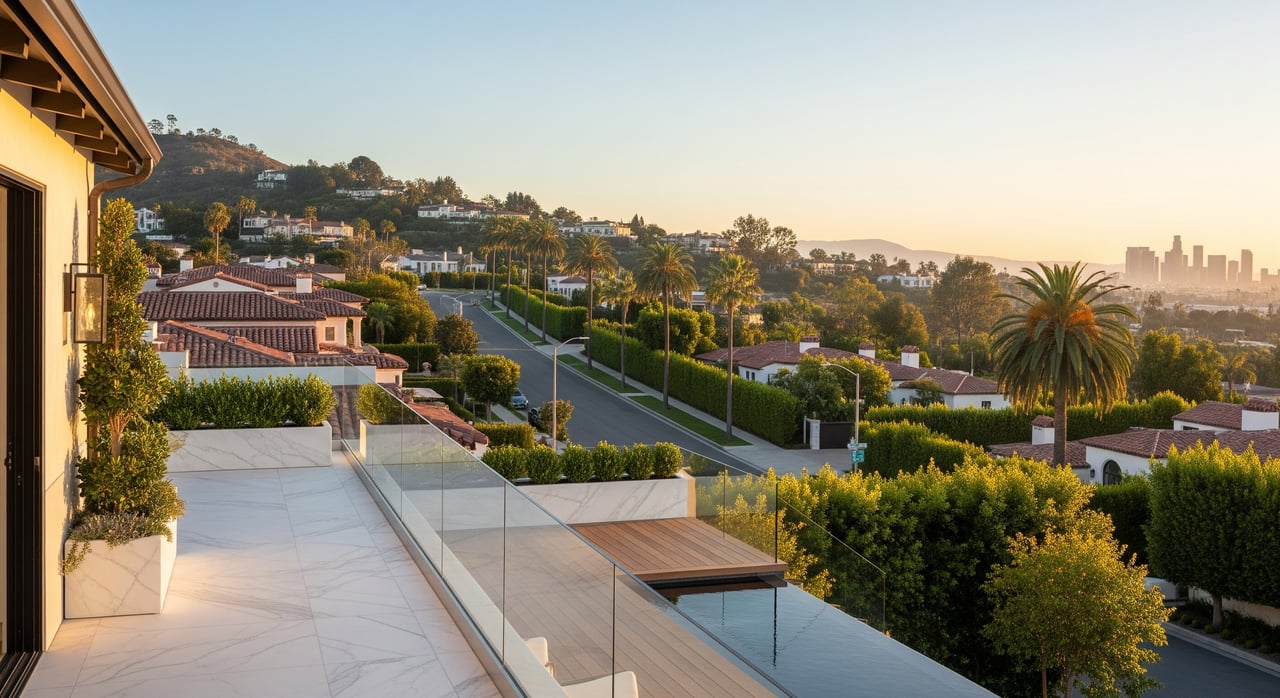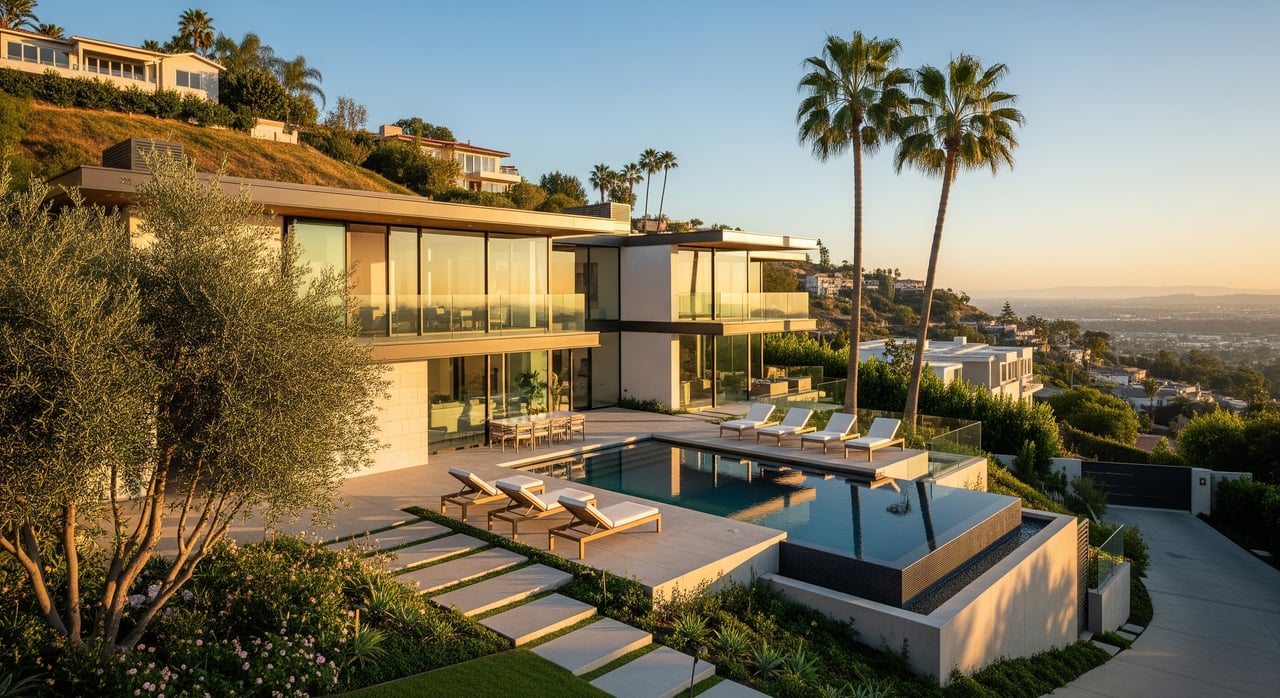
Are you deciding between the Westside and the San Fernando Valley and wondering how each market actually behaves? You are not alone. These two LA micro-markets look close on a map, yet they differ in pricing, inventory, housing stock, commute patterns, and even climate. In this guide, you will learn how each area works so you can set a clear strategy for buying or selling. Let’s dive in.
Westside vs. Valley at a glance
The “Westside” typically includes Santa Monica, Venice, Brentwood, Westwood, West LA, Pacific Palisades, Culver City, Mar Vista, Palms, Cheviot Hills, and Westchester. The “San Fernando Valley” covers a wide area that includes North Hollywood, Studio City, Sherman Oaks, Encino, Reseda, Van Nuys, Woodland Hills, Northridge, Pacoima, San Fernando, and Sylmar. These are agent and buyer shorthand terms rather than formal boundaries, and each contains many distinct submarkets.
The Westside is smaller in land area and has a mix of coastal and inland neighborhoods. The Valley is geographically larger, with both dense and suburban pockets. Because they are not uniform, you get very different pricing and lifestyle choices even within each side.
Pricing and inventory: what to expect
In general, the Westside commands higher prices per square foot and higher median sale prices than most Valley neighborhoods. Coastal and prestige submarkets like Santa Monica, Pacific Palisades, and Brentwood often sit among the city’s most expensive areas. Select Valley pockets, such as Studio City, Sherman Oaks, Encino, and Woodland Hills, can be competitive and higher priced, but the Valley overall is more affordable.
Inventory patterns differ too. The Westside tends to run lean on single-family homes, especially at the luxury level, because of limited developable land and coastal constraints. The Valley has more overall housing stock and more turnover in mainstream single-family segments. In practice, multiple-offer situations are common on the Westside and in the Valley’s most sought-after pockets.
Pricing patterns also reflect product mix. Westside inventory includes more luxury single-family homes, architect-designed remodels, and higher-end condos. The Valley skews toward postwar single-family houses, townhomes, and older low-rise apartments. That mix alone can create a big gap in statistics, even before you compare location or lot size.
Market behavior in different cycles
Westside luxury segments often prove more resilient in slowdowns and can rebound faster when the market recovers, supported by constrained supply and a diverse buyer base. The Valley’s larger middle market tends to react more to mortgage rates and local job trends. When rates rise, entry-level Valley sellers may wait or price more competitively, while luxury Westside sellers may time listings around low inventory windows.
Seasonality matters too. Spring generally brings the strongest demand in both micro-markets. Summer can show more inventory but still sees intense competition in certain submarkets. Watch local signals like days on market, list-to-sale price ratios, months of supply, and new listing counts at the neighborhood level.
Home types and land use differences
On the Westside, you will find luxury single-family homes on small and medium lots, with coastal locations commanding premiums. There are also many condominiums and newer mixed-use buildings near job centers and transit corridors, especially around Culver City and Brentwood corridors. Renovations and architect-led modern designs are common.
In the Valley, most neighborhoods are dominated by postwar single-family homes on larger suburban lots. You will also see low-rise multifamily and garden apartments along major boulevards. Larger lots can create more room for outdoor living and, in some cases, room to add value through improvements.
Zoning and permitting considerations
Development constraints shape both markets. Westside coastal areas such as Santa Monica and parts of Venice have policies that limit development and can lengthen permitting timelines. Within the City of Los Angeles, planning and zoning rules apply to neighborhoods across both areas, while independent cities like Santa Monica and Beverly Hills have their own planning codes. Rent stabilization rules also vary by municipality and affect investment decisions.
Accessory Dwelling Units (ADUs) have become more feasible across California. Both Westside and Valley homeowners are adding ADUs, but feasibility depends on lot size, local ordinances, and parking rules. Larger Valley lots often give you more flexibility to explore backyard additions and value-add projects, subject to code.
Lifestyle, climate, and daily living
Many buyers choose the Westside for beach proximity, walkable coastal pockets, and vibrant dining and retail options. The “Silicon Beach” cluster across Santa Monica, Venice, and Culver City supports strong local housing demand. Outdoor living and design-forward finishes tend to command premiums.
Valley neighborhoods offer more space and a suburban feel in many areas, with larger yards and an easygoing pace. Cultural nodes like Studio City and the North Hollywood Arts District, plus proximity to major studios, give certain Valley pockets strong local identity and convenience.
Microclimate matters
Coastal Westside areas are cooler and more temperate year-round, with marine influence. The Valley is typically hotter in summer, with greater temperature swings. These differences affect your daily life and your home priorities. On the Westside, outdoor living may be comfortable most of the year. In the Valley, you may budget for robust air conditioning, shading, and drought-tolerant landscaping.
Commute and transit
If you work on the Westside, living nearby can cut commute time, though cross-city drives at peak hours are still heavy. Recent and future transit improvements, including the extension of rail service to Westwood, are expected to improve access along certain corridors.
The Valley offers direct access to the 101, 405 (northern approaches), and 170, along with bus rapid transit and subway connections at hubs like North Hollywood. Many commutes within the Valley are car-based, yet transit-adjacent pockets can be very convenient.
Schools and neighborhood research
Public school performance varies by neighborhood across both areas. Some Westside districts are widely recognized and attract buyers who prioritize specific attendance zones. In the Valley, school quality also varies, with strong options in some neighborhoods and mixed performance elsewhere. Because school quality is highly local, base your decisions on current school-level data and confirm boundaries directly with official sources.
When comparing micro-markets, evaluate locations at the neighborhood level. Consider block-by-block differences, such as north or south of major boulevards, and confirm details like zoning, permit history, and any local rules that may affect remodels or rentals.
Buyer strategy: Westside vs. Valley
Be ready for speed on the Westside. Inventory can be tight, and desirable listings move quickly. You will want current pre-approval, clear criteria, and a plan for decisive, clean offers. If you are looking at condos or new infill, compare HOA health, amenities, and neighborhood walkability.
In the Valley, you can often see more options at a given budget, especially in postwar single-family neighborhoods. Focus on home condition and renovation costs, since many houses are older. Larger lots can unlock long-term value through outdoor upgrades or ADU potential, subject to local rules.
For both areas, study micro-pockets. Compare commute routes, lot orientation, and noise exposure, and note where local amenities cluster. If you are moving across the hill, test drive your commute at typical times before you commit.
Seller strategy: timing and presentation
On the Westside, smart timing can capture premium pricing, especially when competing inventory is low. High-design presentation matters. Staging, landscaping, and polished photography can elevate perceived value and drive stronger offers, particularly in luxury segments.
In the Valley, pricing strategy should track mortgage rate trends and neighborhood demand closely. Clean presentation and targeted improvements can widen your buyer pool. If your home has ADU potential, provide buyers with clear guidance on feasibility, subject to local requirements.
Across both markets, use neighborhood-level comps, monitor days on market, and track seasonal patterns. Work with a local advisor who can identify the right timing window and tailor preparation to your property type.
Investment angles and ADU potential
Core Westside locations benefit from land scarcity and steady demand, which can support long-term appreciation. Investment condos near job centers and well-located single-family homes can perform well when held through cycles.
Valley investments can shine in areas with strong job nodes, transit access, or ongoing revitalization. Value-add plays, including tasteful renovations and ADUs on larger lots, can help you create yield and future resale value, subject to zoning and rental rules.
Three practical tradeoffs to guide your choice
- Price per square foot vs. lot size: Westside often means higher price per foot and closer-in amenities. The Valley often delivers larger lots and more interior space at the same budget.
- Walkability and amenities vs. space and yard: Coastal and central Westside pockets can feel more walkable and lifestyle-driven. Many Valley neighborhoods offer more room for outdoor living and privacy.
- Commute and transit vs. proximity to coast and job clusters: Westside living can shorten trips to Westside jobs and the beach. Valley living often gives you freeway access and transit connections at key hubs, which can be ideal if your work is in the Valley or further north.
How to decide what fits you
Start with your daily life. Where do you work most days, and how do you want to spend evenings and weekends? Decide whether walkable coastal amenities or a larger private yard matters most. Then layer in budget, home type, renovation appetite, and timing.
If design, landscape potential, and lifestyle storytelling matter to your home’s value, align your search or listing plan around those strengths. With a clear brief and neighborhood-level insight, you can compete with confidence on either side of the hill.
Ready to explore neighborhoods, compare micro-pockets, and build a plan that fits your lifestyle and goals? Connect with Nikko Santo Pietro for a concierge, design-forward approach and access to private listings.
FAQs
What is the main difference between the Westside and the Valley for buyers?
- The Westside generally has higher prices and tighter inventory near the coast and job centers, while the Valley often offers more space and options at the same budget.
How do LA microclimates affect home ownership in these areas?
- Westside coastal areas are cooler and more temperate, while the Valley is hotter in summer, which can influence HVAC needs, landscaping choices, and daily comfort.
Are ADUs a realistic value-add in the Valley compared to the Westside?
- ADUs can work in both markets, but larger Valley lots often provide more flexibility; always confirm feasibility with local zoning, lot size, and parking rules.
What timing strategies should sellers consider on each side?
- Westside sellers often aim for listing windows with low competing supply, while Valley sellers may track mortgage rate cycles more closely to align with buyer demand.
Which neighborhoods are most walkable on the Westside or in the Valley?
- Walkability varies by pocket; some coastal Westside areas and transit-adjacent Valley hubs feel more walkable, so evaluate streetscape, amenities, and transit access block by block.