Do you picture yourself strolling to your favorite coffee shop, or relaxing above the city with a sunset view? In Beverly Hills, that choice often comes down to the Flats or the Hills. Each offers a distinct lifestyle, different property types, and unique practical considerations. In this guide, you’ll compare walkability, privacy, construction and maintenance, access, and resale so you can decide with confidence. Let’s dive in.
Flats vs. Hills definitions
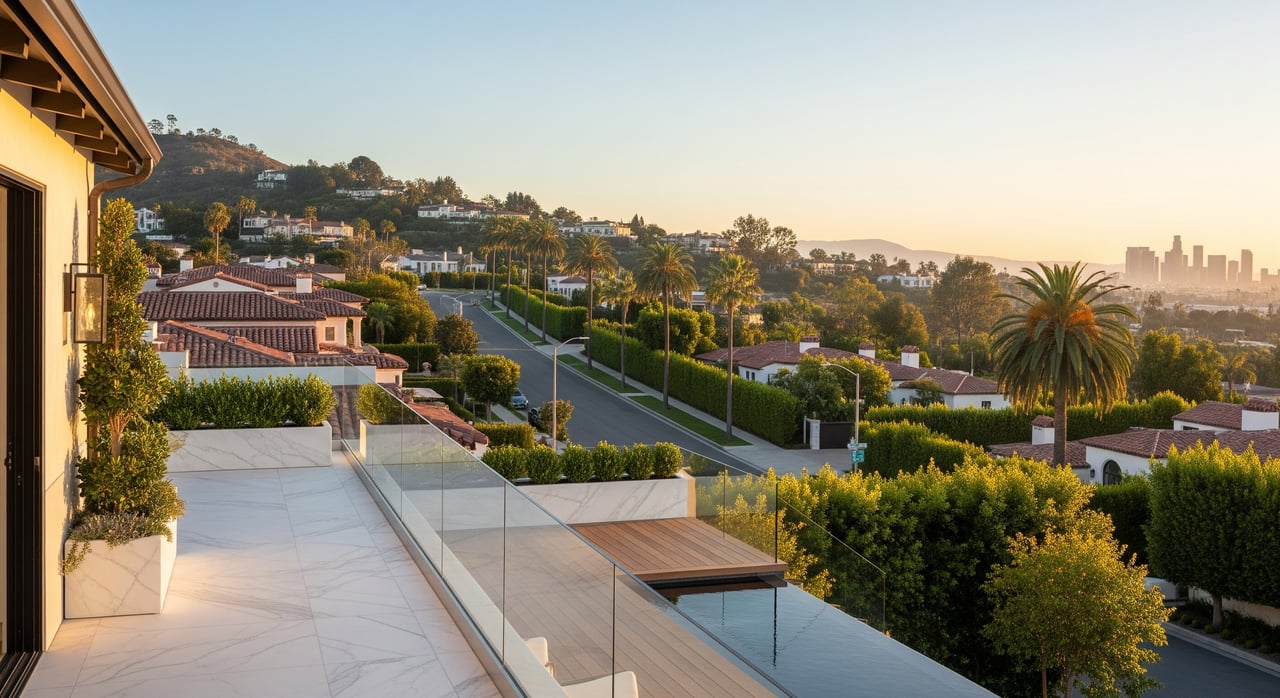
The “Flats” refers to the lower, mostly level grid where you find shops, restaurants, and a mix of condos, townhomes, and single-family homes. Think the areas near Beverly Drive, Santa Monica Boulevard, and the Golden Triangle retail district. The “Hills” refers to the higher elevations, including Trousdale Estates and surrounding hillside neighborhoods with winding roads, larger estates, and view properties.
One nuance to know: some properties use a Beverly Hills or 90210 mailing address but sit outside the City of Beverly Hills in unincorporated Los Angeles, often called Beverly Hills Post Office (BHPO). Jurisdiction affects permitting, services, and sometimes school assignment. Always confirm the legal jurisdiction for any address before you buy.
Built environment and architecture
Property types you’ll find
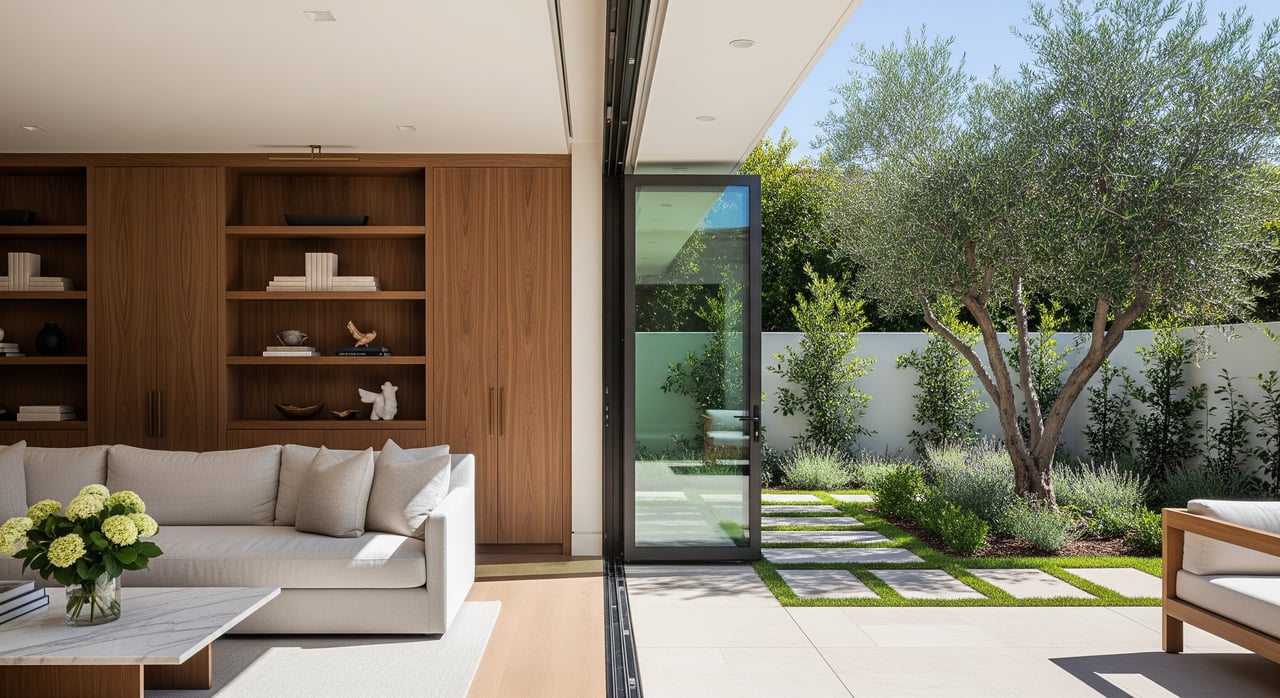
- Flats: walk-up condos, townhomes, historic bungalows, ranch and Mediterranean single-family homes, and mid-century modern houses. You’ll also see smaller-lot residences and low-maintenance buildings.
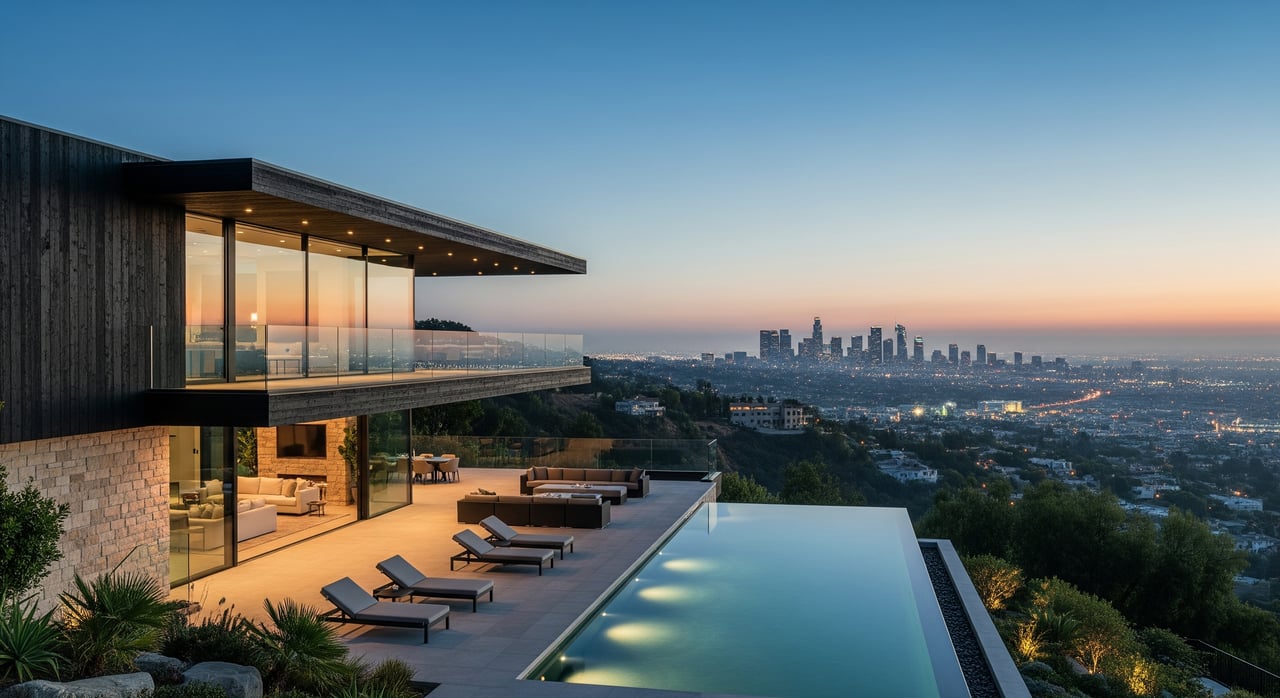
- Hills: larger estates, contemporary custom builds, mid-century hillside moderns, and gated compounds. Many newer homes are multi-level to capture views.
Lot size and topography
- Flats: flatter parcels with simpler access and more predictable building footprints. Additions and accessory dwelling units often face fewer technical hurdles.
- Hills: larger and more irregular lots with steep or terraced terrain. Slope influences usable yard area, pool placement, garage design, and construction complexity.
Renovation and permitting
Hillside sites usually trigger extra reviews and reports. Expect geotechnical studies, grading permits, slope stability and drainage evaluations, tree protections, and sometimes discretionary design review. Easements for utilities or drainage can constrain buildable area on hillside lots. On the Flats, renovations and infill can be more straightforward, though you should still confirm local design or preservation reviews where applicable.
Maintenance and long-term costs
Hillside ownership can involve specialized systems for drainage and erosion control, extensive landscaping, and retaining walls. Insurance and specialized contractors may also be needed. On the Flats, maintenance is often more predictable. In multi-unit buildings, HOA fees consolidate exterior upkeep, which shifts costs to monthly dues.
Lifestyle tradeoffs to consider
Walkability and daily convenience
- Flats: typically more walkable, with quick access to dining, shopping, services, and transit. Sidewalks and shorter distances make daily errands easier.
- Hills: you’ll drive more for groceries, meals, and services. Walkability is limited, but you gain seclusion.
Views and outdoor privacy
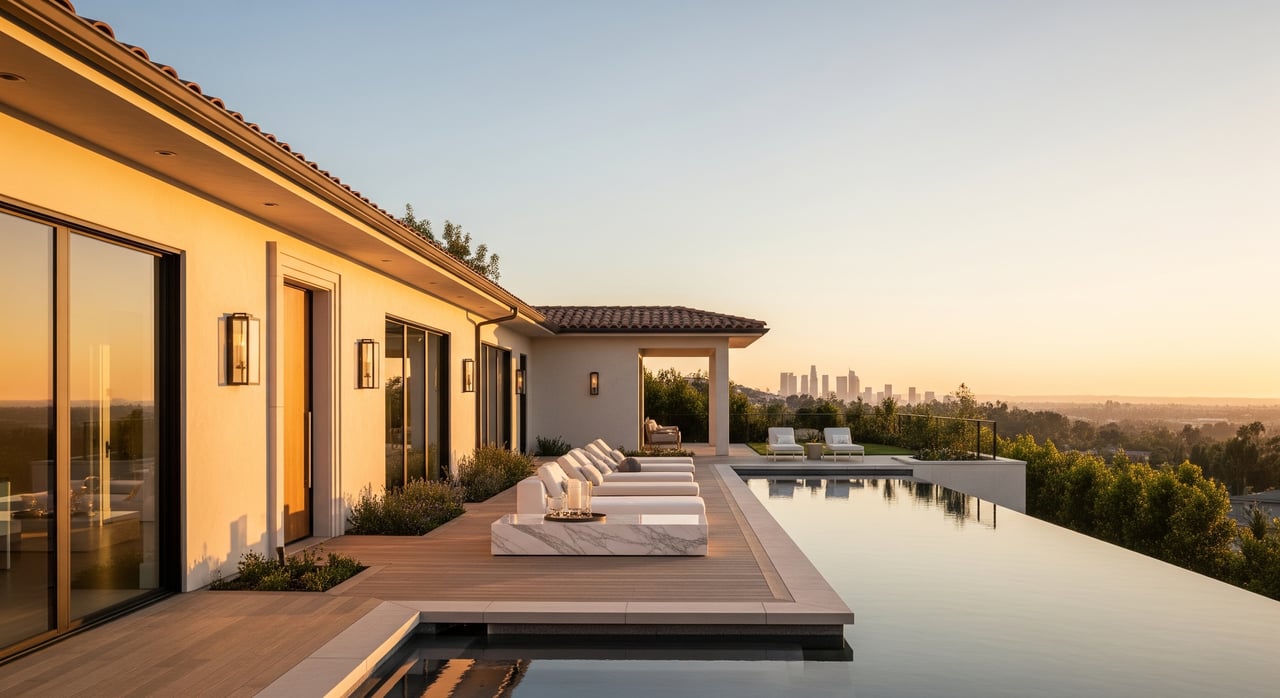
- Hills: panoramic city, canyon, or ocean views in many locations. Elevation, landscaping, and gated drives provide privacy.
- Flats: limited topographic views. Privacy relies on setbacks, hedges, and fencing. Street activity is higher.
Noise and activity levels
- Flats: closer to shopping and nightlife, with more daytime and evening traffic and energy.
- Hills: quieter and less traveled. Fewer through-streets create a calmer feel.
Yards, schools, and routines
Flatter lots on the Flats often support traditional backyards and easier stroller or bike access. Hillside yards may be terraced or sloped, which is great for privacy and landscape design but can be less straightforward for play or sport setups. Proximity to schools and parks can feel easier from many parts of the Flats, but always confirm boundaries and test actual drive times for pickup and drop-off.
Mobility, parking, and access
Commute patterns
In the LA metro area, commute times depend heavily on the time of day. From the Hills, winding routes and lower speeds can add minutes even if the direct distance is short. The Flats offer more direct access to major corridors, though you are still subject to congestion. If transit access matters to you, the Flats generally position you closer to key lines.
Parking, deliveries, and services
- Hills: steep grades and tighter turn radiuses can challenge moving trucks, construction staging, and guest parking. Long private driveways are common, but on-street guest parking may be limited.
- Flats: grid streets and more curb access simplify deliveries and moving. Some blocks have residential restrictions or meters near commercial zones.
Emergency access and safety planning
Hillside roads can affect emergency response and evacuation. Fire department access and defensible space around structures are important considerations in hillside zones.
Market dynamics and value
Pricing patterns
Hillside estates often command higher total prices for views, privacy, and lot size at the ultra-luxury end. Per-square-foot values vary by view quality, lot, and improvements. On the Flats, you’ll find a broader range of inventory with some opportunities to achieve strong value without paying a premium for panoramic views.
Inventory and liquidity
Ultra-luxury hillside enclaves tend to have fewer listings and a narrower buyer pool. Exceptional properties can move quickly. The Flats typically draw a broad mix of buyers, which can support more consistent transaction volume across market cycles.
Cost of ownership
Rebuilding on slopes is generally more expensive per square foot due to geotechnical, retaining wall, and access needs. Ongoing hillside costs can include landscaping, erosion control, and specialized maintenance. On the Flats, renovations can be simpler, and condo or townhome ownership shifts certain costs into predictable HOA dues. Insurance requirements may differ as well; hillside locations can carry specific considerations.
Resale and appraisal factors
View-centric, modern hillside estates appeal to buyers seeking privacy and architectural statement homes. Design trends can influence demand. On the Flats, proximity to retail and schools broadens appeal. Appraisals for unique hillside properties require careful comparable selection, especially for teardowns or major rebuilds. If you plan to renovate, engage your lender and appraiser early.
Which is right for you?
Use your lifestyle priorities as the guide:
- Choose the Flats if you value walkability, daily convenience, shorter commutes, and flat yards.
- Choose the Hills if you prioritize panoramic views, privacy, large lots, and gated living.
- Choose the Flats for lower permitting complexity and more predictable renovation timelines.
- Choose the Hills for custom, showpiece architecture and dramatic indoor-outdoor living.
Buyer checklist for any property
- Jurisdiction: Is it inside the City of Beverly Hills or BHPO? Confirm zoning, permitting, and school assignment.
- Topography: What is the slope? Are geotechnical or grading reports available? Will you need retaining walls or special drainage?
- Access and parking: How steep is the driveway? Is on-street parking limited? Can moving and emergency vehicles stage safely?
- Utilities and easements: Are there utility, drainage, or access easements that limit buildable area?
- Noise and activity: How close is it to commercial corridors or nightlife? What are typical noise levels at different times?
- View protection: Could vegetation growth or nearby development impact future views?
- Permitting: Does the local authority require discretionary review for demolition, new construction, or significant grading?
- Insurance and hazards: Are there special insurance requirements or slope-related risk disclosures?
- Resale audience: Who is the likely future buyer pool for this property type?
Make the most of your search
- Tour at different times: Visit during morning and evening peaks to test commutes and noise.
- Confirm jurisdiction: Verify whether an address is within Beverly Hills city limits or BHPO, and review zoning and parcel data.
- Engage the right experts: For hillside purchases, bring in a geotechnical engineer and architect early. For Flats renovations, check any design or preservation expectations.
- Plan financing and insurance: Discuss hillside-specific factors with lenders and insurance brokers early in the process.
- Compare like-for-like: Tour at least one representative Flats home and one Hills home to make tradeoffs tangible.
If you want a guide who understands architecture, landscape, and how daily life really feels in each pocket, let’s design a search that fits your lifestyle. Reach out to Nikko Santo Pietro to curate a private tour and access off-market opportunities.
FAQs
What is the difference between the Beverly Hills Flats and Hills?
- The Flats are the lower, walkable grid with shops and varied housing types, while the Hills are elevated neighborhoods with winding roads, larger lots, and many view estates.
How does jurisdiction (Beverly Hills vs. BHPO) affect buying?
- Jurisdiction can change permitting, municipal services, and sometimes school assignment, so verify whether a property is inside the City of Beverly Hills or in BHPO before you proceed.
Are hillside homes more expensive to build or remodel?
- Yes. Sloped lots often require geotechnical studies, grading, retaining walls, and specialized drainage, which increase costs and timelines compared to many Flats projects.
Will I drive more if I live in the Hills of Beverly Hills?
- Typically yes. Hillside routes are slower and more indirect, so plan on driving for most errands and allow extra time during peak hours.
Which area is better for resale in Beverly Hills?
- Both can perform well. Hills attract buyers seeking views and privacy, while the Flats draw a broader pool seeking convenience; the best choice depends on your property’s features and target audience.