Craving those Hollywood Hills views but not sure what hillside buying really involves? You are right to ask. Hillside homes deliver light, privacy, and drama, yet they come with unique access, hazard, and permitting details that you should understand before you write an offer. In this guide, you will learn how to evaluate access and parking, confirm view risk, plan inspections, budget for insurance, and structure a confident offer. Let’s dive in.
Hollywood Hills hillside basics
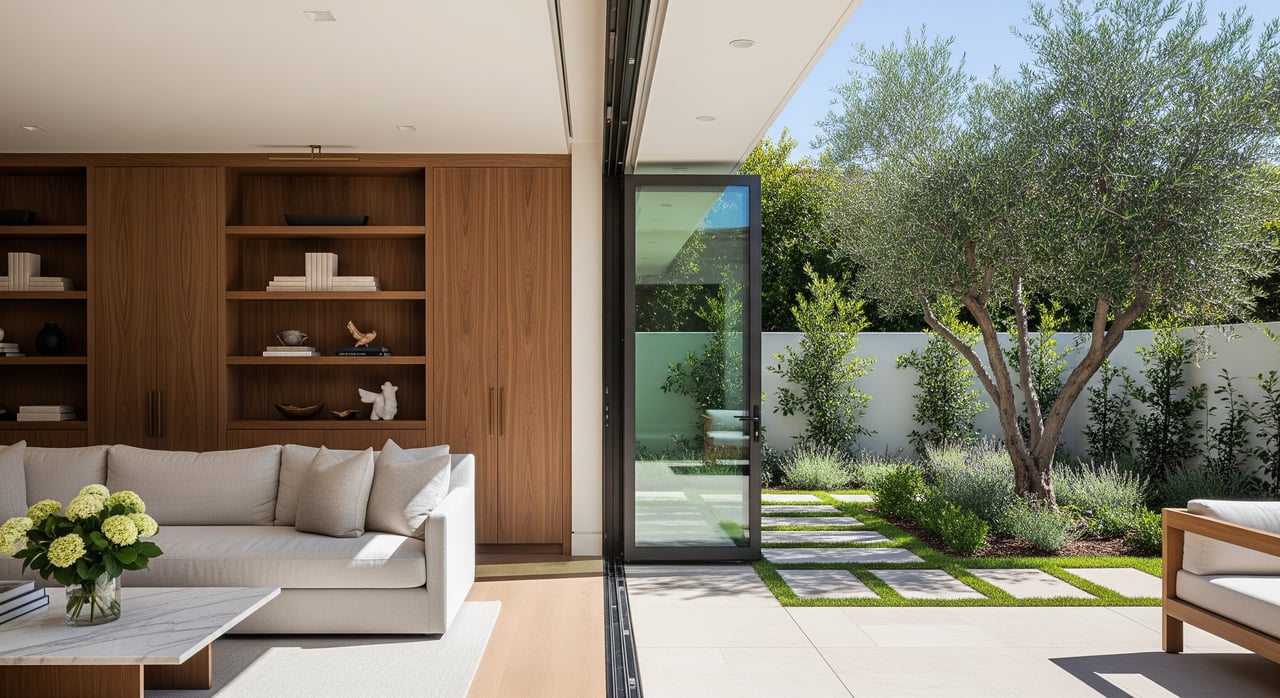
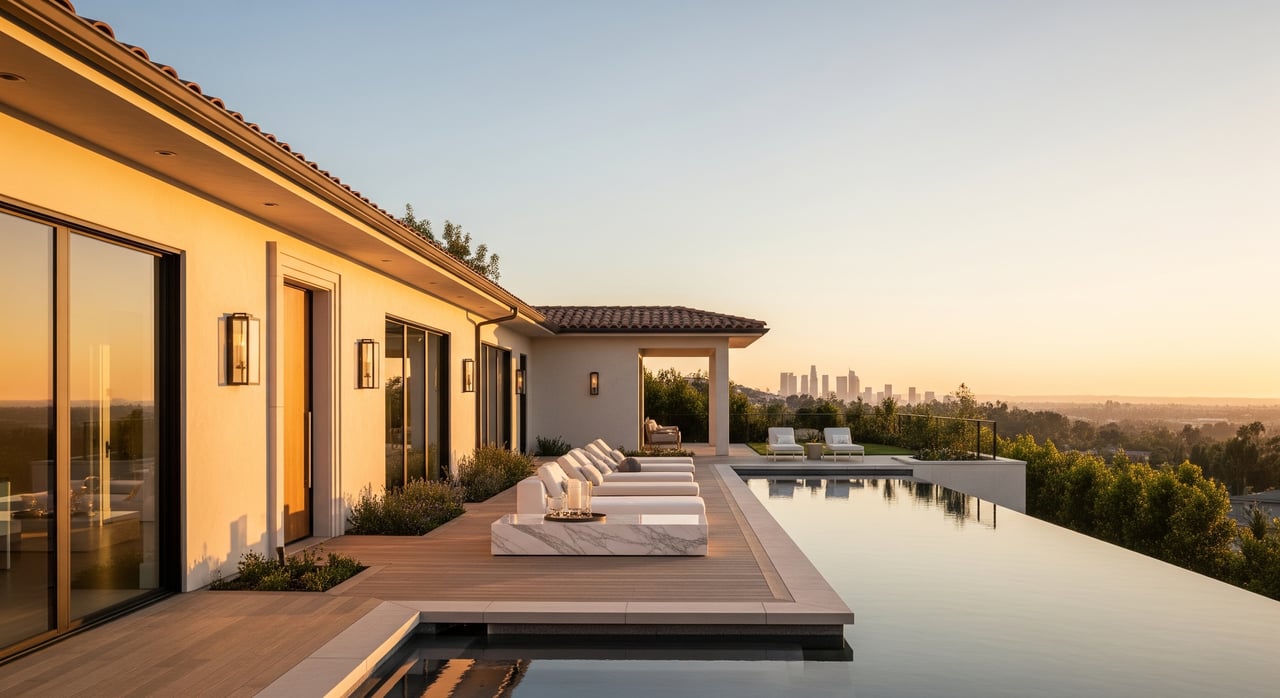
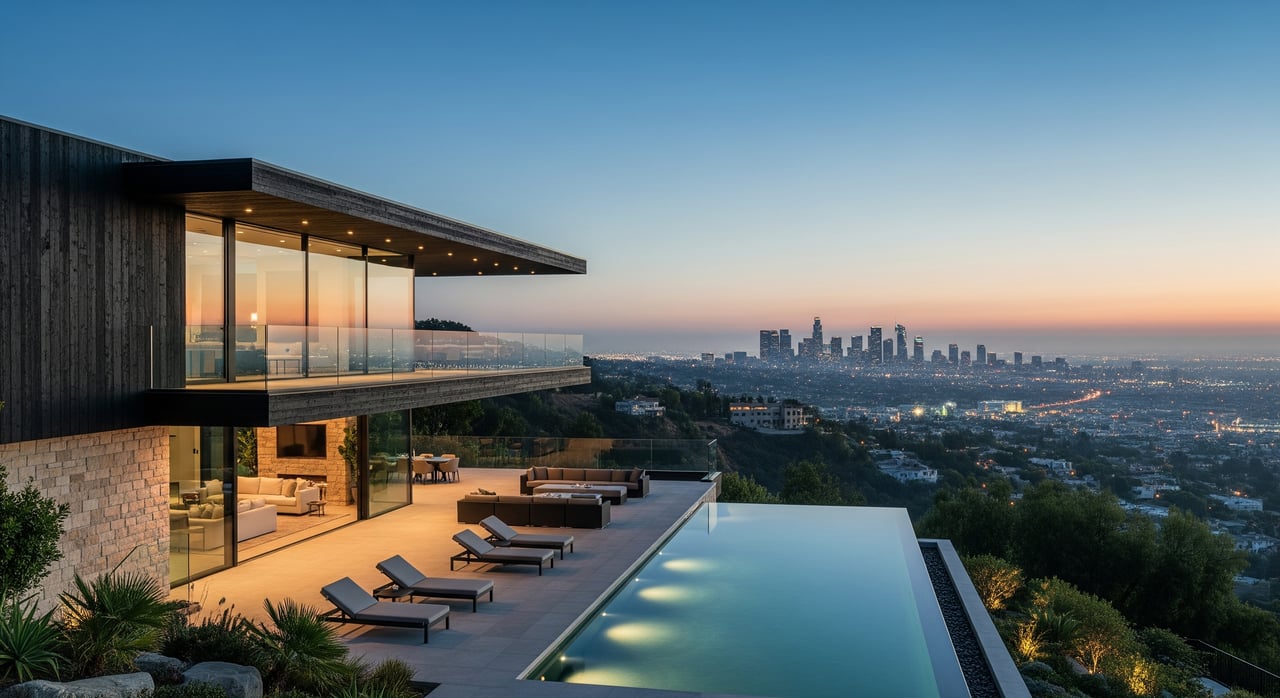
Hillside homes often offer panoramic views, privacy, natural light, and distinctive architecture. They also come with steeper driveways, tighter streets, and added complexity for construction, drainage, and maintenance.
In the Hollywood Hills, most rules and approvals come from the City of Los Angeles. If you plan upgrades, expect more reviews than a flat lot. You will work with city building, planning, and fire departments, and you should verify state hazard zones.
For permits and structural questions, the City’s building portal at the Los Angeles Department of Building & Safety is a key resource. Zoning, height limits, and overlays live with Los Angeles City Planning.
Access and parking checks
Public or private street
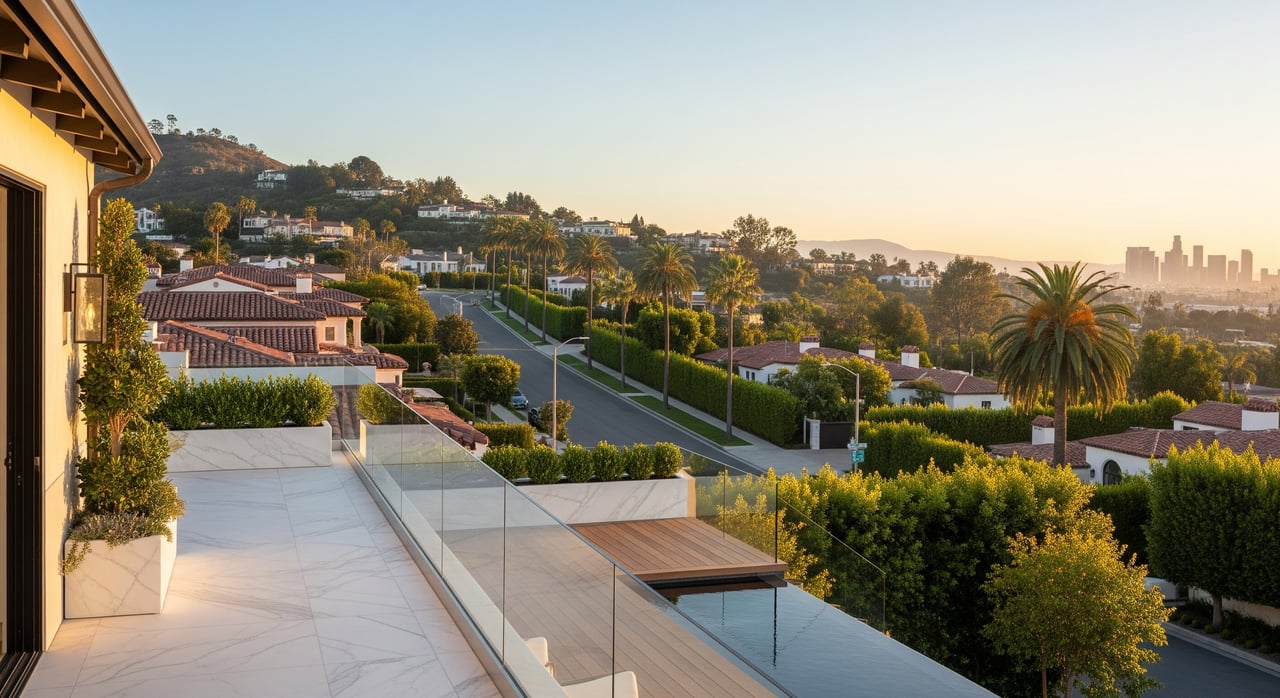
Narrow, winding streets are common in the hills. Confirm if the road is public or private, and review any recorded private road or maintenance agreements in the title report. Private streets can limit parking and add shared costs for upkeep.
Driveways and emergency access
Steep grades and tight turning radii can affect everyday use, movers, and emergency vehicles. The Los Angeles Fire Department sets minimum standards for fire apparatus access, including road width, turnarounds, and gate control. If there is a gate, verify it meets LAFD access requirements.
Parking and deliveries
Check posted restrictions and whether the block uses residential permit parking. The Los Angeles Department of Transportation lists parking rules and zones, including permit and temporary allowances for moving trucks. Limited curb space can impact daily life and guest access.
Views, privacy, outdoor living
Views are not guaranteed
Views drive value, but California does not provide a broad right to a view. Before you rely on a view premium, review zoning, height limits, and any overlays for neighboring parcels using Los Angeles City Planning. If a vacant lot sits below you, study whether it is buildable and what could be permitted.
Usable area vs lot size
Lot size can mislead in the hills. A steep parcel may have generous square footage but limited flat yard. Decks, terraces, and rooftop spaces are smart ways to create outdoor living, yet they usually require structural design, permits, and sometimes grading. Pools, spas, and major hardscape often trigger geotechnical review and retaining walls.
Vegetation and defensible space
Vegetation management is a core part of hillside ownership. Many parts of the Hollywood Hills fall within Very High Fire Hazard Severity Zones. Cal Fire outlines defensible space rules under state law, including vegetation clearance around structures. Review wildfire mapping and defensible space resources with Cal Fire.
Hazards, inspections, insurance
Wildfire, landslide, earthquake
Evaluate the property’s wildfire exposure, slope stability, and seismic setting. For landslide and fault hazard zones, use the California Geological Survey’s state hazard maps. For seismic shaking and related hazards, consult the USGS. These maps help you and your engineers focus inspections where they matter most.
Drainage and sewer systems
Water is a common trigger of hillside issues. Confirm surface and subsurface drainage that routes water away from the home and slopes. Some uphill homes rely on private laterals or pump systems for sewer, which require inspection and maintenance planning.
Inspection plan
Build a plan tailored to a hillside site. At minimum, schedule a general home inspection, a geotechnical review for steep sites or planned work, and a structural assessment of foundations, retaining walls, and decks. Add a drainage and roof runoff review, a sewer scope, and a wildfire hardening and defensible space evaluation if the area is high risk.
Insurance and lending
Wildfire exposure can raise premiums and limit carrier options. The California Department of Insurance explains coverage options and wildfire considerations. Earthquake insurance is separate and commonly added in Los Angeles. Lenders may request engineering reports or limit loan-to-value for high-slope or access-constrained properties, so get quotes and lender feedback early.
Permits and timelines
Hillside improvements often need more review than flat sites. Structural work, decks, additions, pools, retaining walls, and grading usually require permits and plan check through the Los Angeles Department of Building & Safety. Large projects can involve haul route permits, erosion control plans, and a geotechnical report.
If your design does not meet current code or zoning, you may seek discretionary approvals or variances, which add time. Build a realistic schedule that includes plan check cycles and possible corrections. Simple projects can take weeks. Complex grading and additions can take months from design through permits.
Structure a strong offer
Tailored contingencies
Use contingencies that match hillside risk. Consider a geotechnical contingency with time to get a soils report, a structural and retaining wall contingency, and a contingency for reviewing private road or maintenance agreements. If you plan a remodel, include a permit feasibility contingency to confirm you can obtain approvals.
Negotiation strategies
Price should reflect known conditions and projected repairs. Credits, price reductions, or escrow holdbacks can address drainage corrections or retaining wall work. If the property is unique and comparable sales are limited, anticipate appraisal challenges and plan a larger down payment or flexible financing terms when needed.
Quick due diligence checklist
Save or print this checklist to guide your process.
- Preliminary title report and all recorded easements or private road agreements
- Seller disclosures, prior permits, and any geotechnical or engineering reports
- New geotechnical report if none exists or if you plan changes
- Structural assessment of foundation, decks, and retaining walls
- Drainage evaluation, roof runoff review, and gutter/downspout paths
- Sewer camera inspection and utility verification, including pump systems
- Wildfire risk and defensible space plan, plus brush clearance status
- Insurance quotes for homeowners, wildfire, and earthquake coverage
- Zoning and overlays check for height, FAR, and any hillside-specific rules
- Hazard map review for landslide, fault rupture, liquefaction, and flood
- LAFD access review for road width, gate standards, and hydrant locations
- Parking rules and any Residential Preferential Parking zone details
- Contractor and engineering budget estimates for planned work
- Extended inspection timelines built into your offer
When you pair this checklist with local market guidance, you reduce surprises and protect value.
Ready to tour hillside options or sanity-check a property you love? Reach out to Nikko Santo Pietro for concierge-level buyer representation and access to on and off market opportunities.
FAQs
What makes Hollywood Hills hillside homes unique for buyers?
- Narrow access, steep slopes, and wildfire and geologic hazards require specialized inspections, tailored contingencies, and more detailed permit and insurance planning.
Are views protected when buying in Hollywood Hills?
- There is generally no broad legal right to a view in California, so you should verify neighboring zoning and development potential with Los Angeles City Planning before relying on view value.
Which inspections are critical for a hillside purchase?
- Prioritize geotechnical and structural evaluations, plus drainage, sewer, and a general inspection; add a wildfire hardening review in higher risk areas.
How does wildfire risk affect insurance on hillside homes?
- Wildfire exposure can raise premiums and limit carrier options, so get quotes early and review guidance from the California Department of Insurance on coverage choices.
Can lenders decline hillside properties with steep access or hazards?
- Yes, some lenders add conditions, require engineering, reduce loan-to-value, or decline high-risk sites; discuss property-specific underwriting with your lender early.
How long do permits take for hillside remodels in Los Angeles?
- Timelines vary, but hillside reviews can add weeks or months due to geotechnical reports, plan check corrections, grading permits, and possible discretionary approvals.