Love the look of Beverly Hills homes but not sure what you are seeing at first glance? In a city where clay-tile roofs share streets with glass-walled pavilions, architectural style shapes daily living, maintenance, and resale value. If you are buying, renovating, or preparing to list, understanding the dominant Beverly Hills styles can help you make smarter choices and maximize appeal. This guide breaks down what to expect by neighborhood, how each style reads to buyers, and how to pair landscaping and upgrades for the best return. Let’s dive in.
Beverly Hills style overview
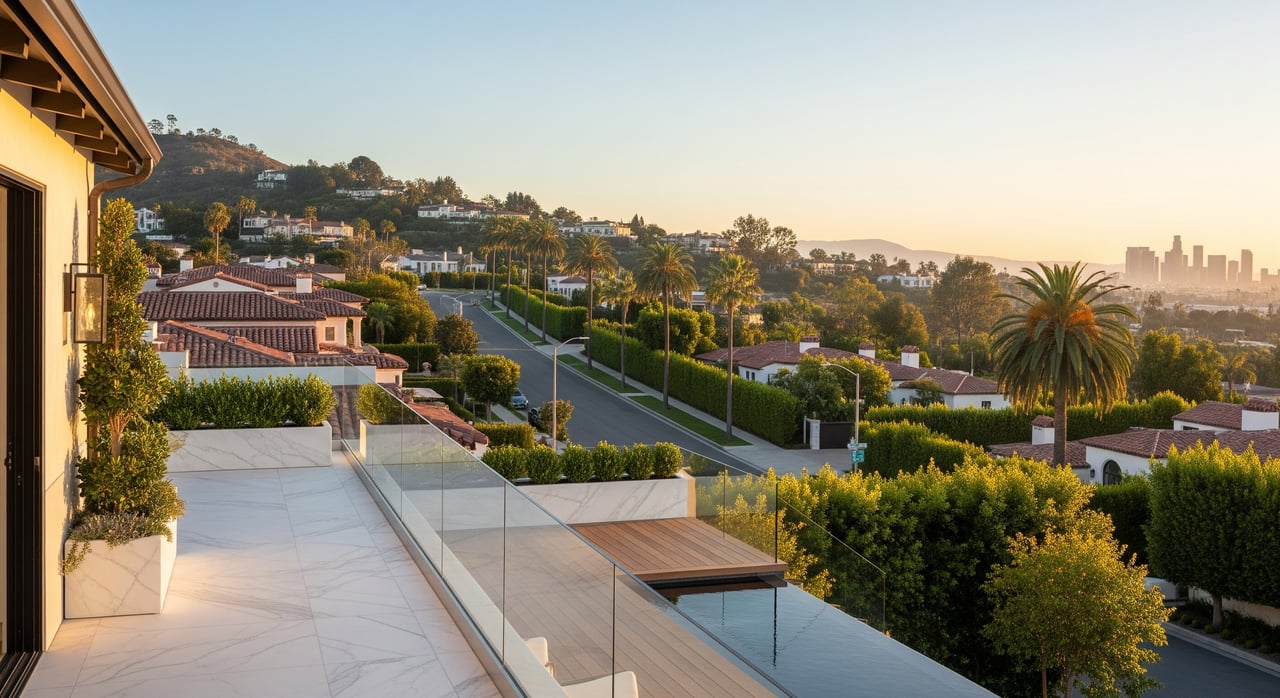
Beverly Hills blends historic revival architecture with mid-century gems and bold contemporary rebuilds. The Flats and areas south of Wilshire showcase many Spanish Colonial and Mediterranean Revival homes, plus Tudor and Georgian examples. Trousdale Estates and Beverly Hills Post Office hillside pockets are known for mid-century modern and Trousdale Modern houses, along with contemporary new builds. On the Bel Air border and near Coldwater Canyon, you will find larger estates in both traditional and modern idioms.
Style matters because design authenticity, materials, and provenance influence buyer perception and price. Local rules also vary for historic or hillside properties, which affects what you can change. Maintenance needs differ by style, from clay tile roofs to expansive glazing. All of this can impact the premium a home commands among design-sensitive buyers.
Spanish and Mediterranean cues
Spanish Colonial Revival and Mediterranean Revival set the classic Beverly Hills mood. They remain highly desirable for buyers seeking timeless Southern California character.
Quick identifiers
- Stucco walls in white or warm tones
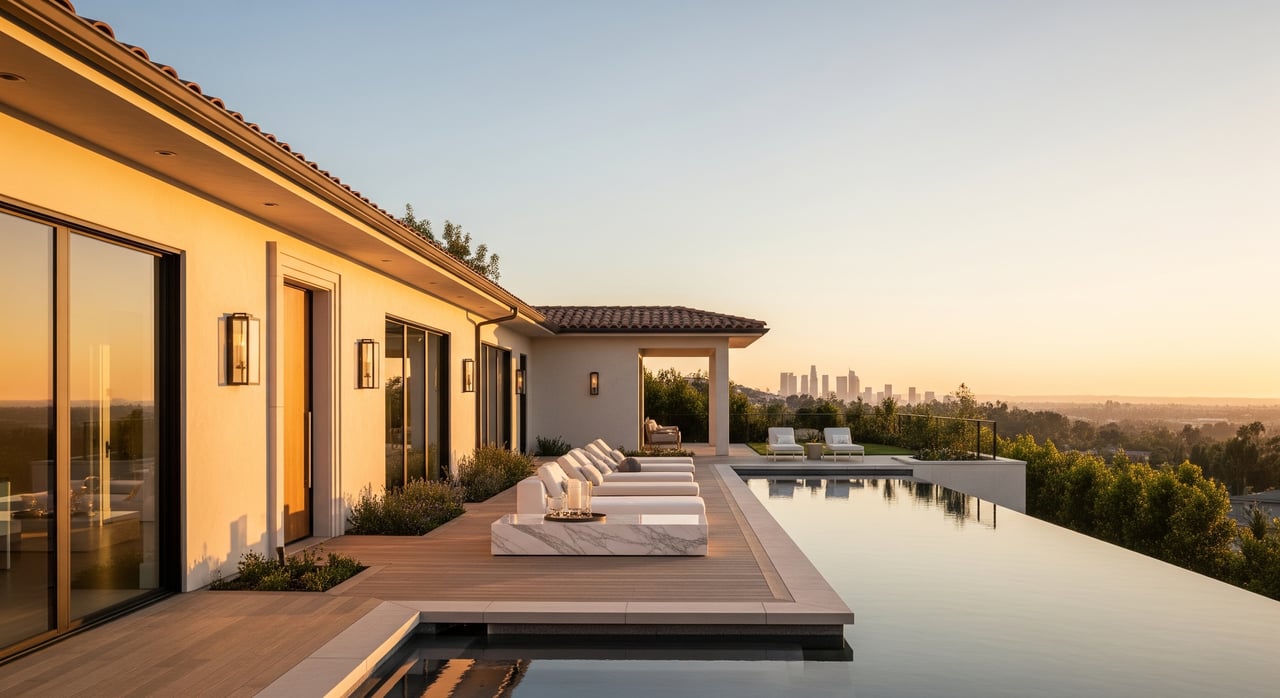
- Red clay barrel tile roofs
- Arched doors, windows, and arcades
- Wrought-iron railings and lanterns
- Courtyards or interior patios with decorative tile
Typical era and locations
These styles flourished from roughly 1915 through the 1940s, especially during the 1920s and 1930s. You will see many examples in the Flats and older pockets south of Wilshire, along with scattered historic streets throughout the city.
Materials and maintenance
Expect stucco over masonry or wood framing, clay tile roofs, decorative glazed tiles, and heavy wood doors. Common upkeep includes stucco crack repair, clay tile maintenance, moisture management around tile details, and refinishing of wood elements.
Market notes and renovation tips
Authentic period details, intact courtyards, and preserved arches tend to add value. Sympathetic restorations usually recoup cost better than heavy-handed remodels. Preserve massing and rooflines when possible. If you are preparing to list, refresh stucco and tile, tune up exterior ironwork, and stage courtyards with warm lighting and potted plants.
Mid-century and Trousdale modern
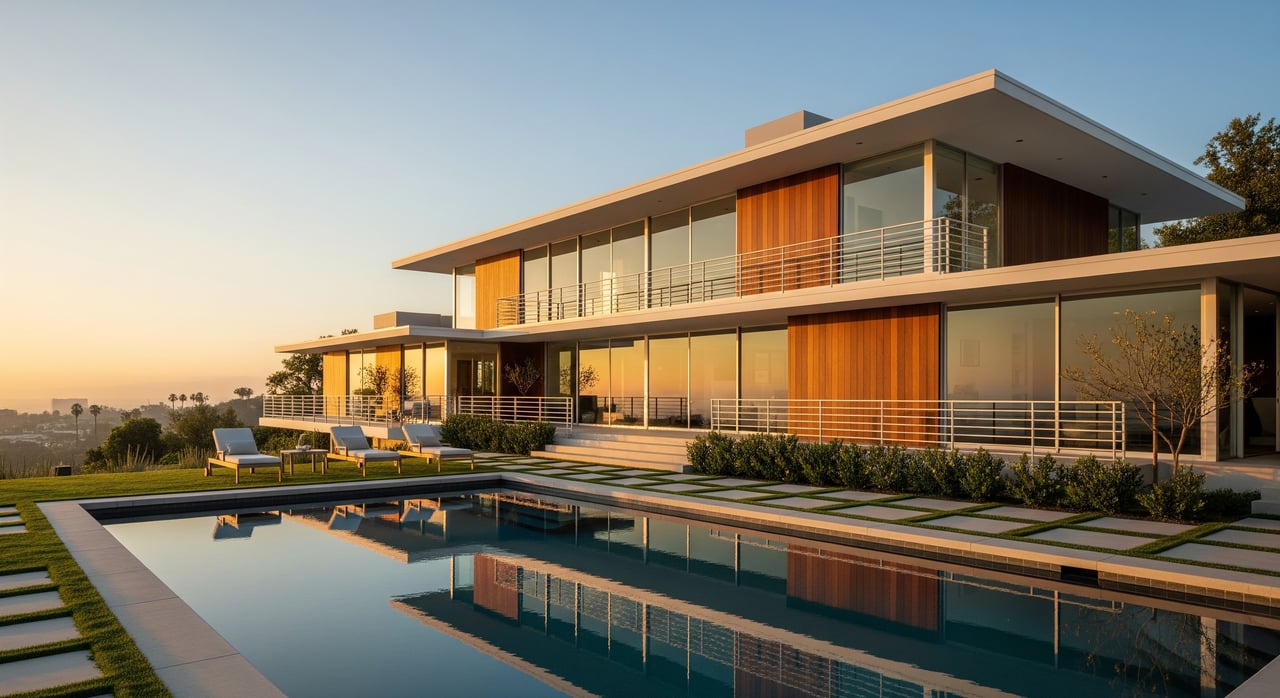
Mid-century modern, including the high-end Trousdale Modern substyle, is a signature of Beverly Hills hillsides and a magnet for design-focused buyers.
Quick identifiers
- Clean horizontal lines and low profiles
- Large panes of glass and clerestory windows
- Open plans with indoor-outdoor flow
- Minimal ornament with strong geometry
- Natural stone, exposed beams, concrete, and cantilevered roofs
Typical era and locations
Most mid-century and Trousdale Modern homes date from the late 1940s through the 1960s, with Trousdale Estates largely built in the 1950s and 1960s. You will find these homes in Trousdale Estates, other Beverly Hills hillside lots, and Beverly Hills Post Office areas.
Provenance and demand
Design-savvy buyers and collectors often prioritize authenticity and sightlines. Trousdale Estates carries strong cachet, and provenance such as named architects or notable former owners can increase interest. Tasteful updates that respect original proportions and views tend to perform best.
Maintenance and upgrades
Aging glazing and seals, flat or low-slope roofs, dated mechanicals, and seismic needs are common considerations. When renovating, preserve open sightlines and distinctive roof edges, remove intrusive later alterations, and modernize systems discreetly. A light touch can protect collector value while improving function.
Traditional revival essentials
Traditional revival styles such as Georgian, Colonial Revival, and Tudor are part of the early 20th-century fabric and later rebuilds.
Quick identifiers
- Symmetrical facades, brick or clapboard
- Multi-pane windows with shutters
- Classical porticos and trim
- Tudor steep gables, half-timbering, tall chimneys
Locations and market notes
You will see these homes in pockets throughout the Flats and in estate neighborhoods. They appeal to buyers who want a timeless, formal aesthetic. Interiors can be more compartmentalized, so many renovations keep the classic curb presentation while opening select interior spaces to add light and flow.
Ranch and postwar homes
Ranch and postwar suburban homes date mainly to the 1950s and 1960s.
Quick identifiers
- Single-story, long footprints
- Simple rooflines and attached garages
- Casual layouts that adapt well to open plans
Market notes
Value often follows lot size, privacy, and potential for expansion. Many owners update these homes with larger openings to the yard, new glazing, and reimagined kitchens to suit contemporary living.
Contemporary and new builds
Contemporary and neo-modern builds from the 1990s to today dot the hillsides and select streets citywide.
Quick identifiers
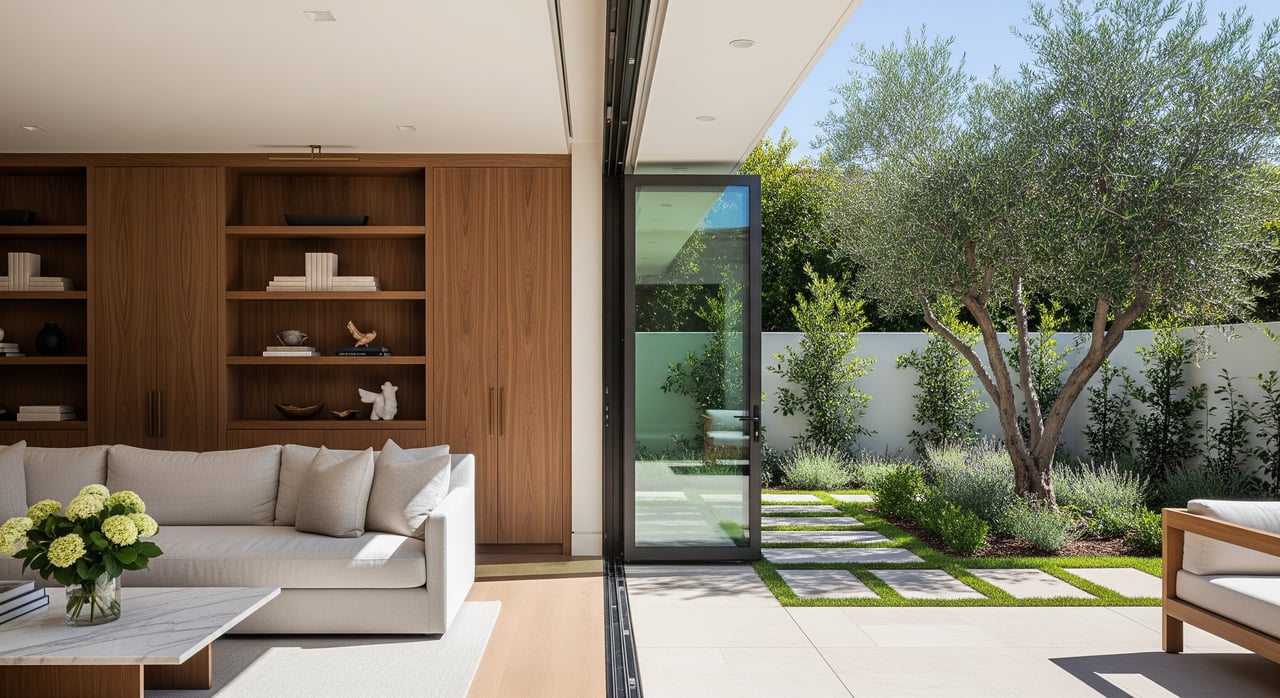
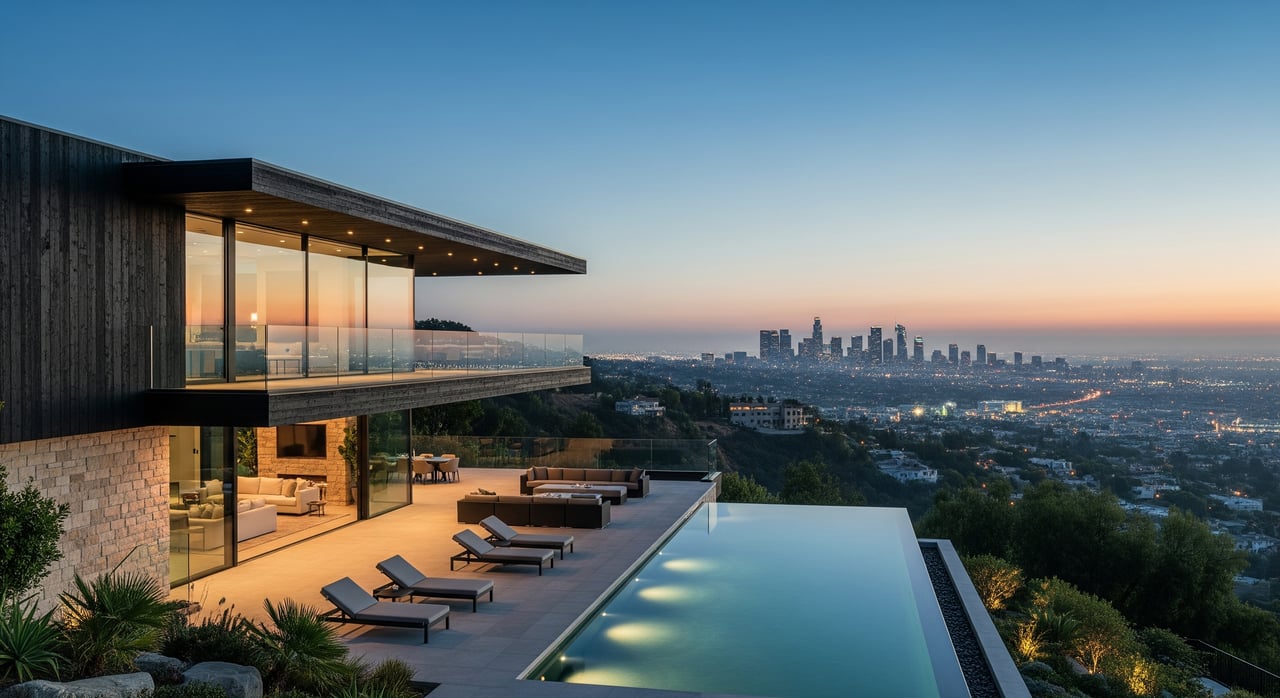
- Bold geometry with large glass walls
- Minimal ornament and mixed materials
- Indoor-outdoor amenities and smart systems
Market notes
Well-executed contemporary homes can command high prices, especially with strong views and luxury upgrades. In historic settings or in hillside zones, permitting and design review can shape what is feasible, so plan timelines and budgets accordingly.
How style affects value
Style alone does not set price, but it shapes who your buyer is and which features matter most.
Buyer segments
- Design collectors and creatives often seek authentic mid-century or top-tier contemporary design.
- Classic-image buyers gravitate to Spanish and Mediterranean estates or refined Georgian facades.
- Many households prioritize layout, privacy, yard usability, and location over strict style.
Value drivers
- Authenticity and provenance: Named architects, original finishes, and intact period details add perceived value.
- Floor plan relevance: Indoor-outdoor flow, light, and openness sell. Some historic homes adapt beautifully, especially those with courtyards.
- Views and site: Hillside moderns with panoramic vistas draw strong premiums.
- Renovation complexity: Structural changes, hillside grading, and large new openings increase cost and permitting complexity, which affects net return.
- Trend sensitivity: Demand for certain styles, like mid-century, can fluctuate with global design trends.
Style-specific listing tips
- Spanish and Mediterranean: Repair stucco, service clay tiles, and refresh courtyards. Preserve arches and tile focal points.
- Mid-century and Trousdale: Restore glazing, open sightlines, and modernize systems without erasing character.
- Traditional revival: Keep symmetrical curb appeal and update interiors in a style-sensitive way.
- Contemporary: Spotlight tech, finishes, and seamless indoor-outdoor amenities with minimalist staging.
Landscaping that sells
Thoughtful landscape design completes the architectural story and improves first impressions in Beverly Hills’ Mediterranean climate.
Spanish and Mediterranean pairings
- Plant palette: Olive trees, lavender, rosemary, citrus where suitable, ornamental grasses, and select succulents.
- Features: Tiled steps and risers, a small fountain in a courtyard, wrought-iron fixtures, and terracotta pots.
- Hardscape: Warm stone or terracotta pavers, low stucco walls, arched trellises with vines such as bougainvillea.
Mid-century and Trousdale pairings
- Plant palette: Agaves, cycads, palms for vertical accents, native sages, and low groundcovers.
- Features: Long horizontal planters, minimalist beds, linear water features, and subtle architectural lighting.
- Hardscape: Aggregate concrete, large pavers with grass joints, and flush indoor-outdoor floor transitions.
Traditional revival pairings
- Plant palette: Boxwood hedges, specimen shade trees like sycamores or oaks, roses, and perennial beds.
- Features: Symmetrical plantings, clipped hedges, classical urns, and formal walkways.
- Hardscape: Brick or bluestone paths and decorative ironwork suited to the facade.
Contemporary pairings
- Plant palette: Sculptural succulents, ornamental grasses, and framed specimen trees with minimal lawn.
- Features: Clean lines, integrated lighting and privacy screens, outdoor kitchens, and entertainment terraces.
- Hardscape: Large-format pavers, linear water elements, modern fencing, and concealed drainage.
Quick curb appeal wins
- Prune overgrowth to reveal architecture, refresh mulch, and repair hardscape.
- Add staged pots or planters that echo the home’s style.
- Favor California-friendly plantings to signal stewardship during dry periods.
Renovation and permits
Before you plan a major change, understand local rules and site conditions that can affect cost and timing.
Permitting and jurisdiction
Major work, including additions, structural changes, hillside grading, and tree removal, usually requires permits and plan review. The City of Beverly Hills has its own planning and building standards for setbacks, lot coverage, hillside development, and heritage structures. Some properties in the Beverly Hills Post Office area fall under the City of Los Angeles, which has separate regulations and review processes. Historic designations or cultural heritage status can limit exterior changes.
Structural and site risks
Older homes often need evaluation for seismic upgrades, especially mid-century houses with large spans and extensive glazing. Hillside lots in Trousdale and BHPO may need slope stabilization, retaining walls, and enhanced drainage. Material-specific issues include stucco repair, clay roof tile maintenance, restoring original steel or aluminum window systems, and managing flat or low-slope roofs.
Build your team
- Preservation or period-focused architect for authentic restorations
- Structural engineer for seismic and hillside work
- Landscape architect experienced in local climate and water use
- Contractor familiar with stucco, clay tile, and mid-century glazing
- Local real estate advisor who understands comps and buyer profiles
Buyer and seller checklists
Use these quick lists to stay focused on what matters for your style and neighborhood.
If you are buying
- Identify your style priorities: authenticity, views, or turnkey systems.
- Evaluate floor plan flow and potential for indoor-outdoor connection.
- Inspect glazing, roof type, structural elements, and mechanicals by era.
- Review jurisdiction and permit history, especially for hillside lots.
- Plan for style-sensitive updates that protect value over time.
If you are selling
- Lean into your home’s strengths: preserve character-defining elements.
- Complete targeted maintenance tied to your style before listing.
- Simplify interiors to emphasize light, scale, and key sightlines.
- Align landscaping with architecture to elevate curb appeal.
- Stage and market with an architectural story that fits buyer demand.
Bringing it all together
Beverly Hills offers a rich mix of Spanish and Mediterranean charm, iconic mid-century and Trousdale modernism, dignified traditional revival, and striking contemporary design. When you understand how style intersects with location, permitting, maintenance, and buyer preferences, you can protect your investment and present a home that resonates. If you are weighing a purchase, planning a renovation, or preparing to list, thoughtful, style-smart choices will help you move with confidence.
Ready to match your home’s architecture with the right improvements and marketing story? Connect with Nikko Santo Pietro for local guidance and concierge-level support.
FAQs
How do Beverly Hills neighborhoods differ by style?
- The Flats and south of Wilshire feature many Spanish and Mediterranean Revival homes, while Trousdale Estates and BHPO hillsides lean mid-century and contemporary, with traditional and modern estates near the Bel Air and Coldwater Canyon edges.
What makes Trousdale Modern homes valuable?
- Authentic mid-century design, preserved sightlines, hillside settings, panoramic views, and provenance such as architect attribution or notable owners can boost appeal and pricing.
Which style is easiest to modernize for open living?
- Spanish homes often adapt well with courtyards and strategic openings, while traditional revival can work with selective wall removals; preserve defining elements to maintain value.
What inspections are most important by style?
- Focus on structural and seismic, roofing type, window and glazing condition, HVAC and electrical systems, and pest or termite inspections, especially in older homes.
How should I landscape to match my home’s style?
- Pair plant palettes and hardscape with the architecture: Mediterranean species and tile for Spanish, sculptural and minimalist for mid-century, formal hedges for traditional, and clean-lined, low-water designs for contemporary.